Sleep in 1950
- Earlier Bedtimes: Most people went to bed between 9–10 pm. Evening life was quieter, darker, and slower.
- Natural Light Cues: Without smartphones, tablets, or LED screens, circadian rhythms were guided by sunrise and sunset. People had a stronger connection to natural light/dark cycles.
- Less Artificial Stimulation: Evening “entertainment” meant books, radios, or family time — not 24/7 streaming or social media. The nervous system wasn’t bombarded with dopamine triggers late at night.
- Physical Lifestyle: More people had labor-intensive jobs and walked daily. The body naturally sought rest at night.
- Stronger Community Rhythms: Families ate together, towns “shut down” earlier, and shared rhythms reinforced natural sleep cycles.
- Average Sleep: 7.9 hours per night (according to CDC historical records).
⸻
Sleep in 2025
- Later Bedtimes: Many now push sleep back past midnight, even with early work start times.
- Blue Light Disruption: Phones, laptops, and TVs emit blue light that suppresses melatonin, delaying sleep onset
- Doomscrolling & 24/7 Access: News alerts, endless content, and social media keep the brain wired, anxious, and unable to transition to rest.
- Sedentary Lifestyles: More desk jobs, less movement, and artificial lighting confuse circadian signals.
- Noise & Overstimulation: Constant buzzing notifications, city noise, and late-night activity prevent the nervous system from dropping into parasympathetic (rest & digest).
- Average Sleep: Now closer to 6 hours per night — over an hour less than in the 1950s.
But factor in that quality is lost with sleep disruptors
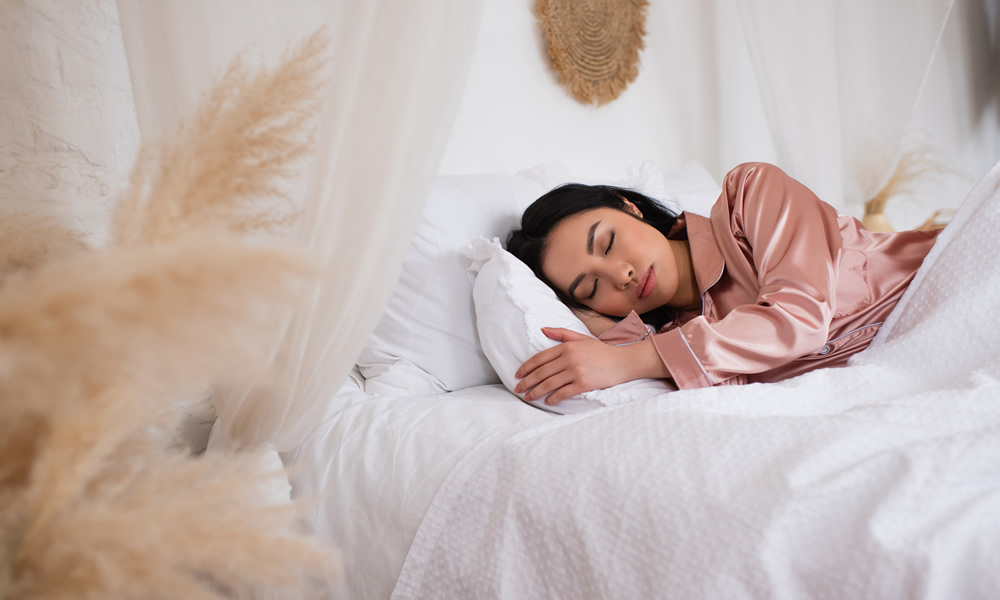
- In 1950, sleep was deeper, darker, quieter, and more restorative.
- Today, sleep is often fragmented, shortened, and chemically disrupted (by caffeine, alcohol, stimulants, stress, EMF)
Resulting in higher rates of anxiety, depression, obesity, heart disease, Alzheimer’s, and burnout — all linked to chronic sleep deprivation.
What was once natural now requires intention and discipline.