
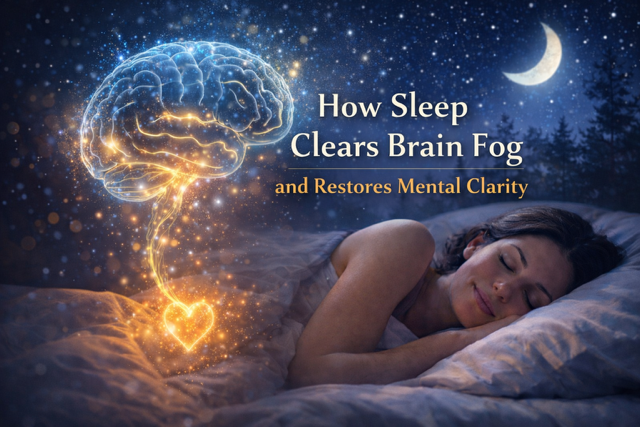
Brain Fog Isn’t Normal — It’s Information and Communication from Your Body
And it has become normalized.
Trouble concentrating.
Slower making decisions.
Forgetting simple things.
A constant mental haze — even when you’re doing “everything right.”
It’s frustrating because you’re trying so hard.
Your Brain Is Protecting You
Brain fog is closely tied to the state of your nervous system.
When your body lives in fight-or-flight:
• you’re in survival because your nervous system is handling what it has capacity for, and your system is prioritizing feeling safe.
• your brain becomes reactive, not reflective
Here’s what I found with sleep. When you start to feel safe to sleep, clarity returns naturally because you felt safe to sleep during the deep healing states of sleep. Your nervous system is not on high alert anymore.
Sleep Changes Everything
Sleep is when the nervous system can relax because the body feels safe enough to let go.
Supporting sleep begins before bedtime —
with nourishing rhythms.
Brain fog is often a sign of:
• nervous system overload
• incomplete brain detoxification
• low-grade inflammation
• disrupted sleep cycles
• emotional processing that hasn’t finished yet
The Quiet Inflammation No One Talks About
This kind of brain inflammation isn’t painful so we easily just live with it.
Easy to normalize.
But over time it shows up as:
• mental fatigue
• emotional reactivity
• slower processing
• frustration with simple decisions
Mental exhaustion eventually becomes physical exhaustion.
The Brain’s Nightly Reset
During deep sleep, the brain activates its glymphatic system —
a built-in cleansing network.
Each night, it flushes waste and integrates memory and emotion.
This process works best during deep, uninterrupted sleep — especially earlier in the night.
When sleep is cut short you don’t get the full regeneration.
Signs Your Brain Is Asking for Deeper Rest
• unrefreshing sleep
• waking between 1–3am
• late-night eating
• chronic stimulation
• nervous system hyper-alertness
Sleep Is a Powerful Tool to Support Mental Clarity
Small, elegant rhythms signal safety:
• eating earlier so digestion finishes before sleep
• reducing evening stimulation
• rhythmic nighttime routines
• enough time for deep sleep
• aiming for consistency instead of hyper discipline in your nightly routine
Over time and with depriving yourself of crucial sleep for brain health, your resilience to stress decreases, brain inflammation worsens, it’s harder to regulate emotions and instead become reactive and this all affects long-term brain health.
Sleep is how that regeneration of the brain cells and tissue happens.
👉 Read next: Exhaustion is Your Wake Up Call
✨ Join the New Community for Super Sleepers, Dream with Maria
A space for women who want to feel more clear to make the right decisions, and with speed, to regulate their nervous systems, have more energy and use sleep as a tool to heal and feel lighter again.